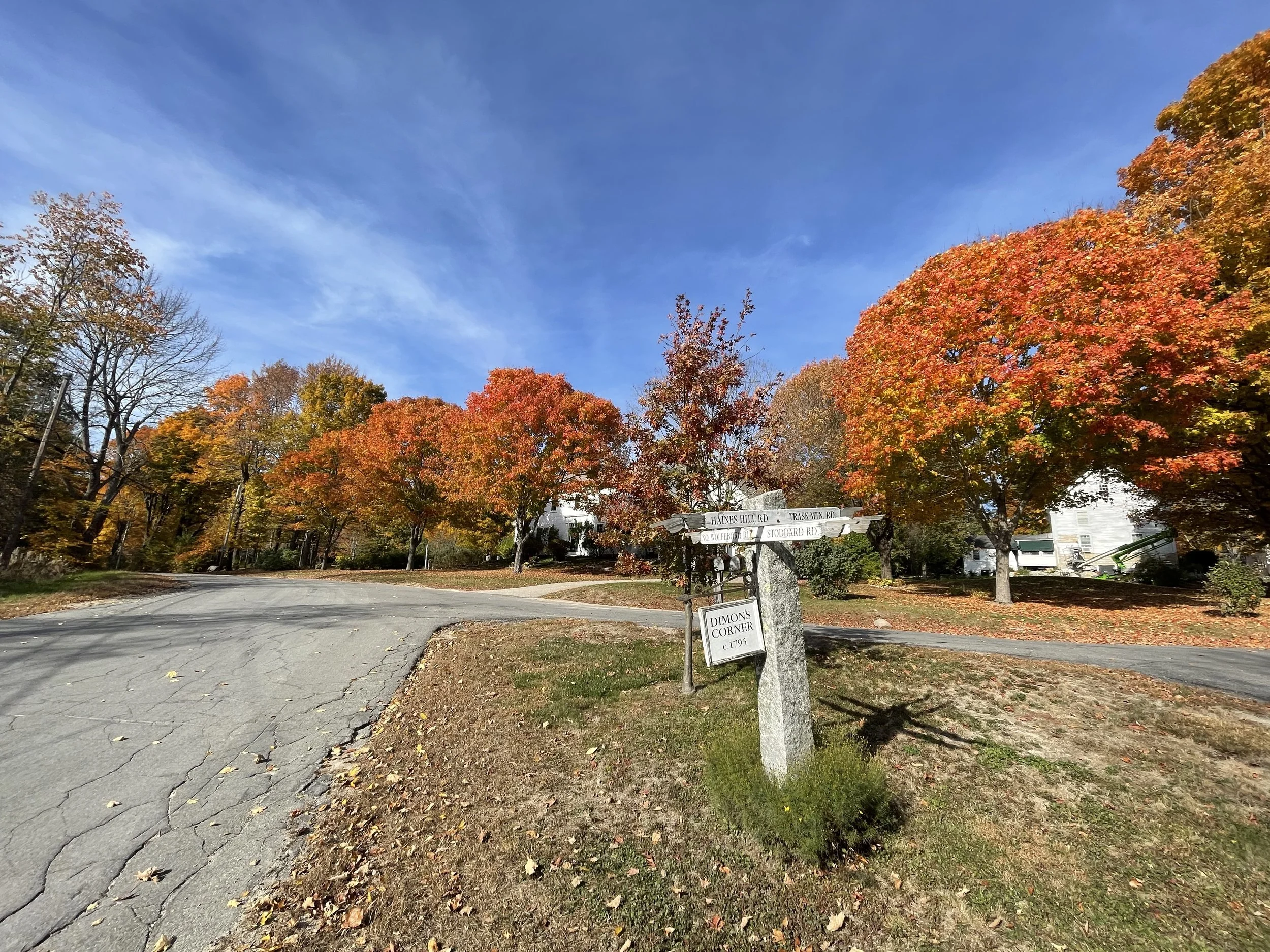
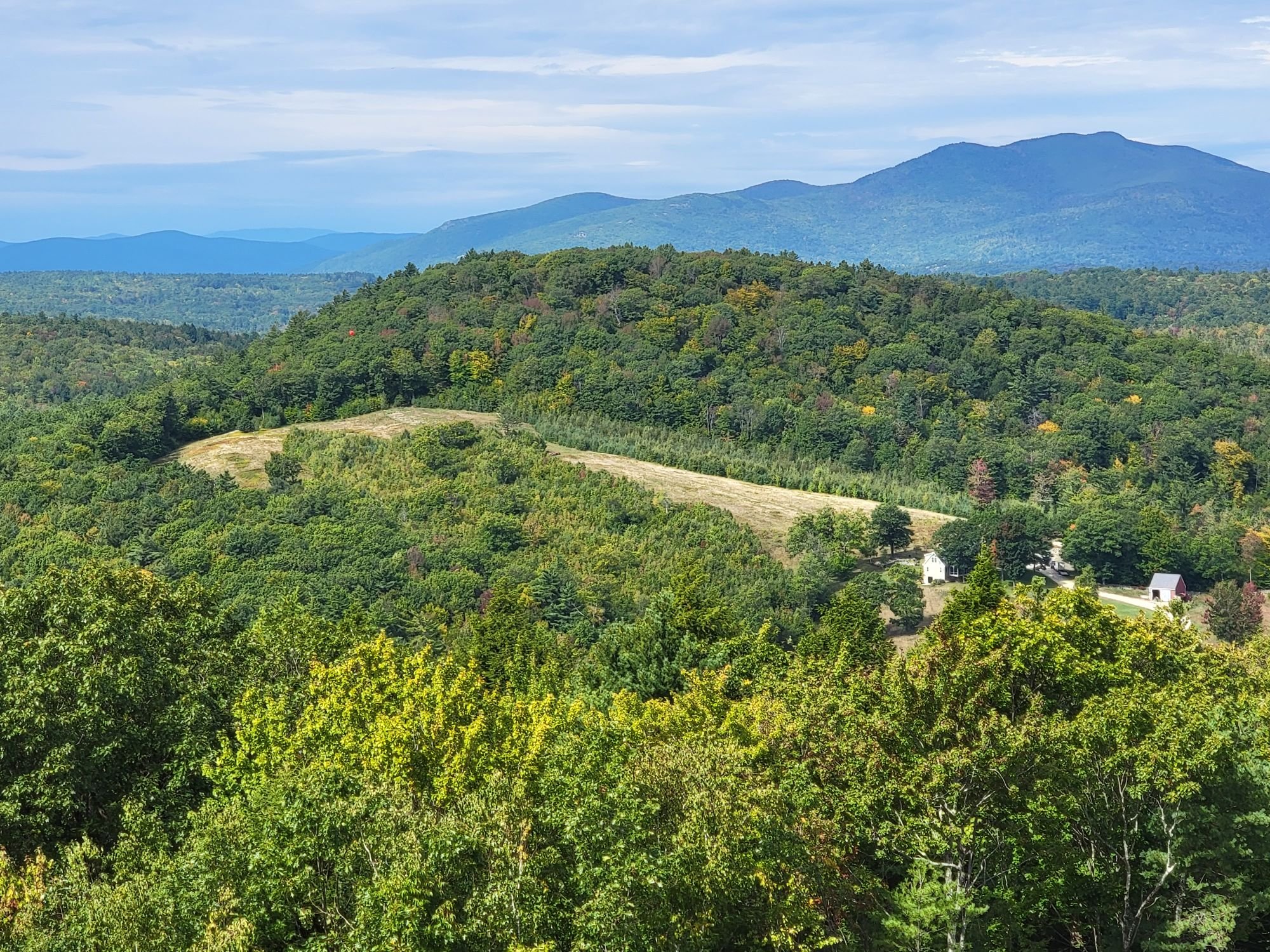
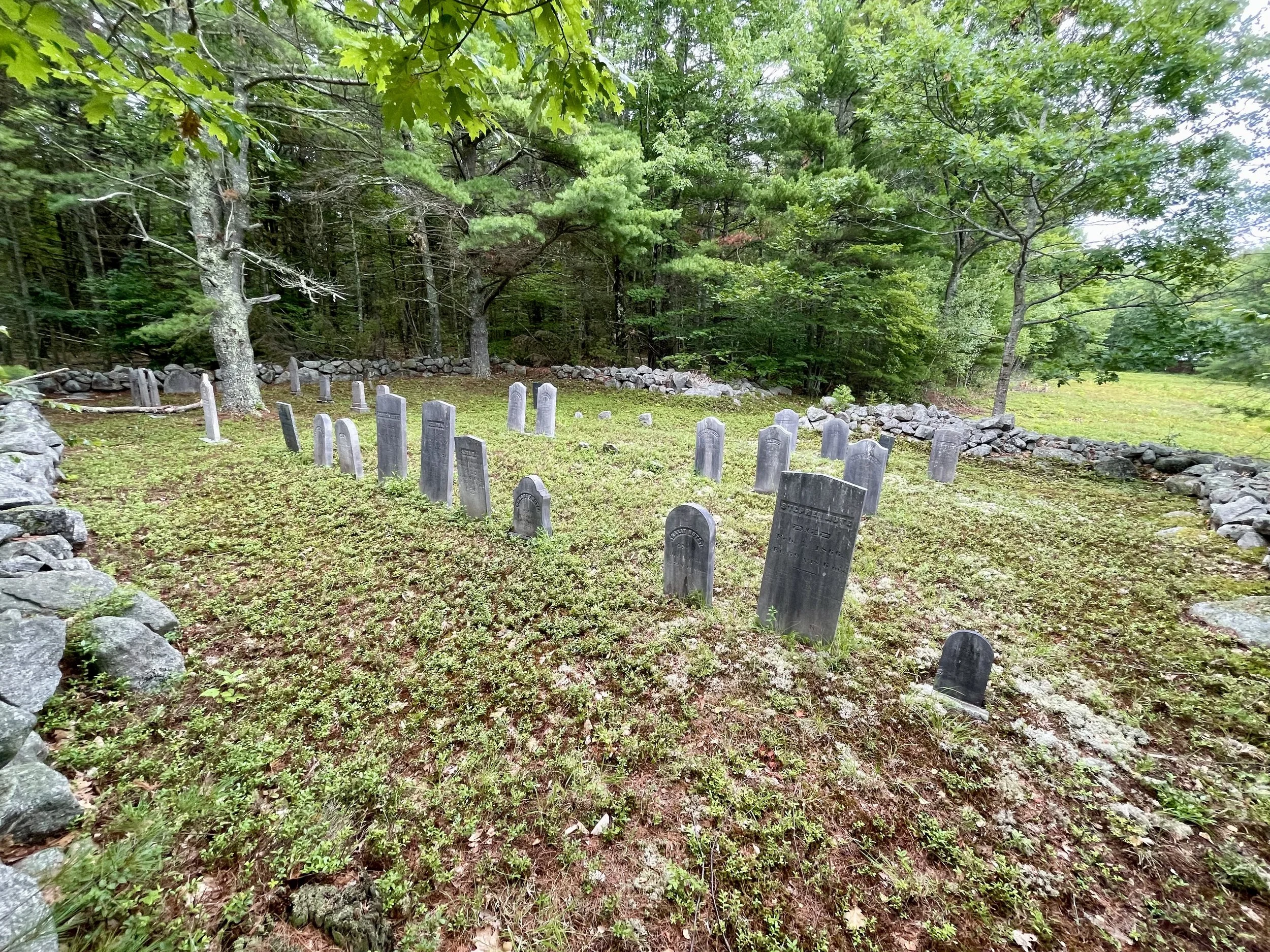
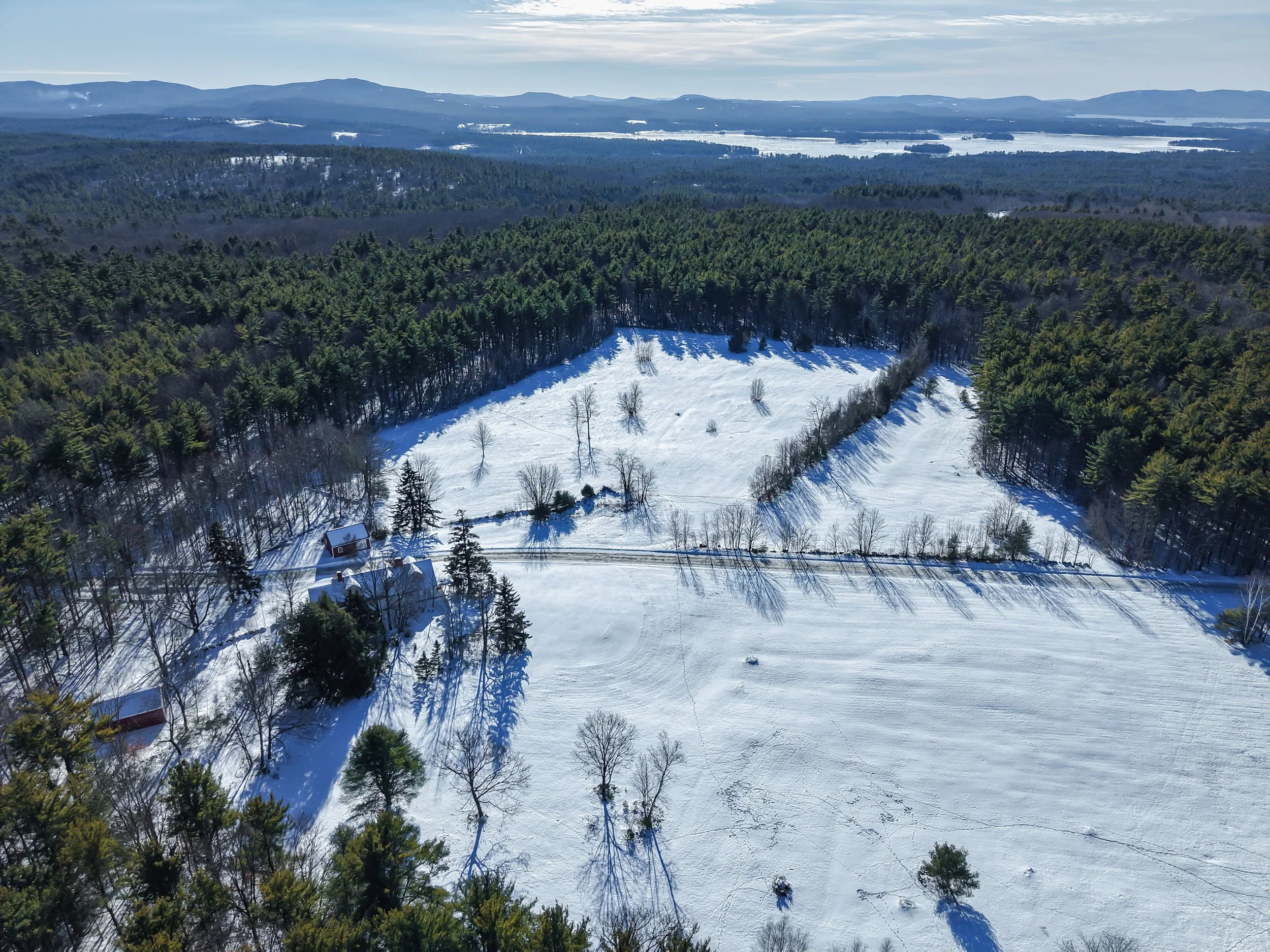
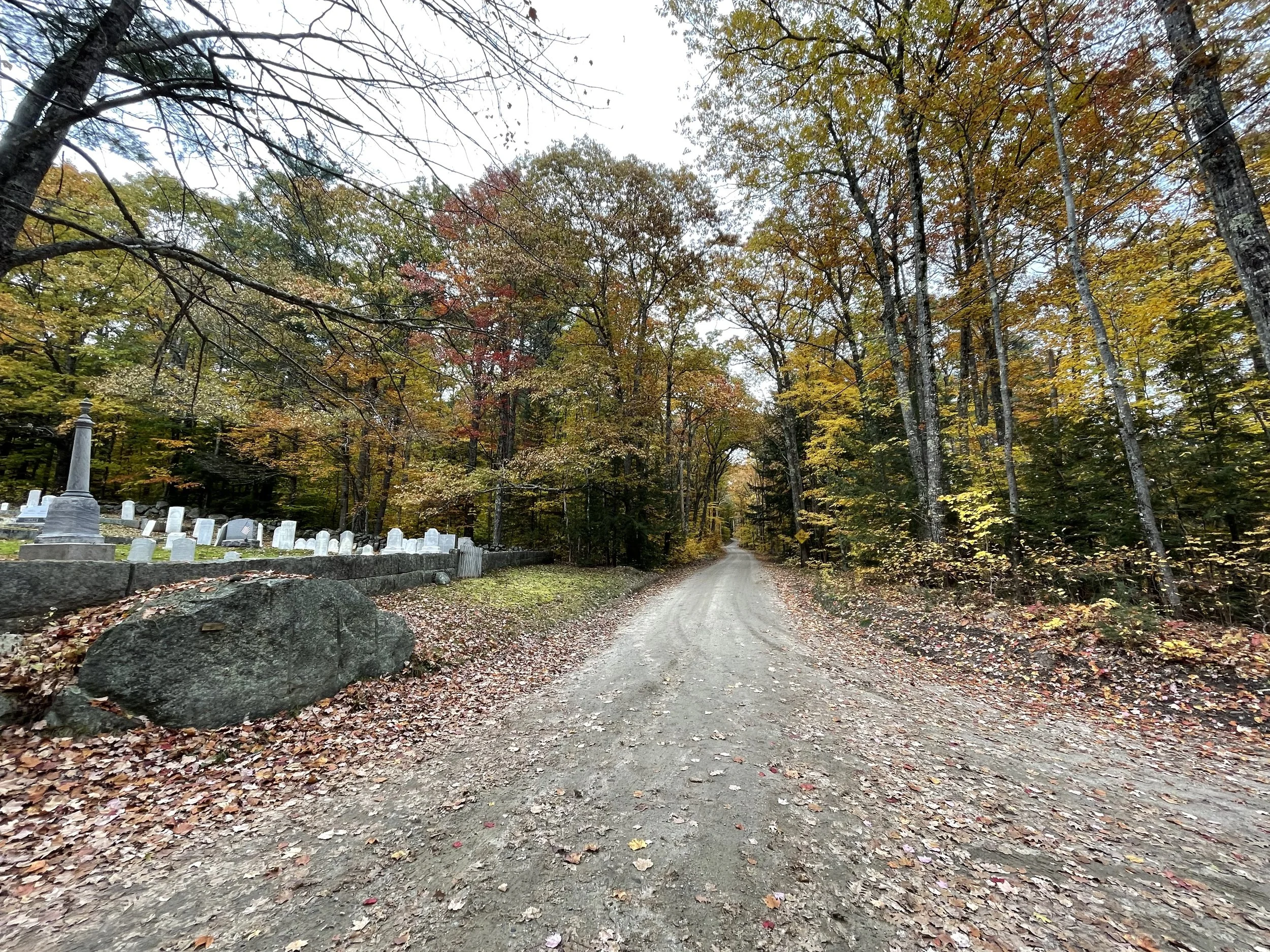
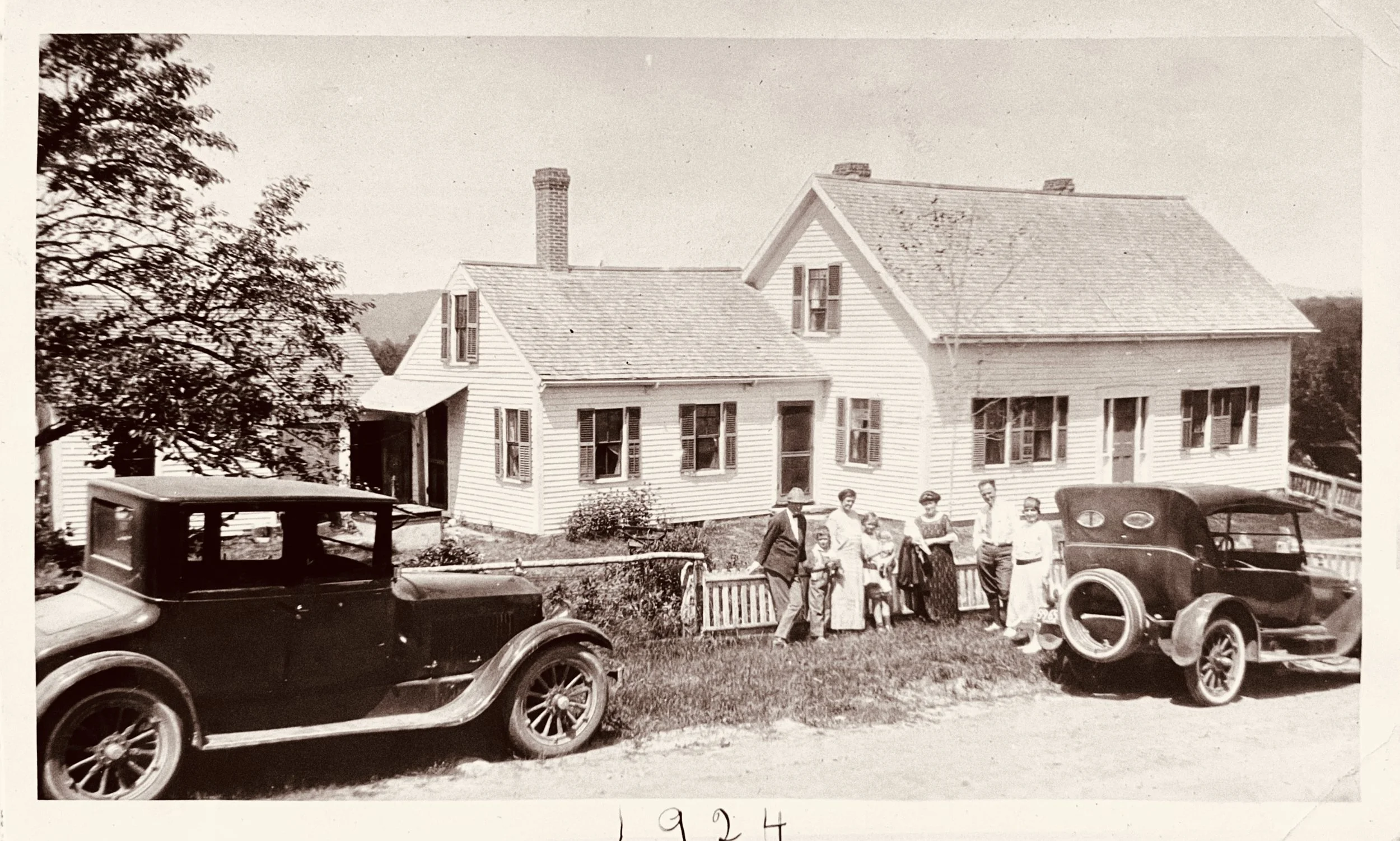
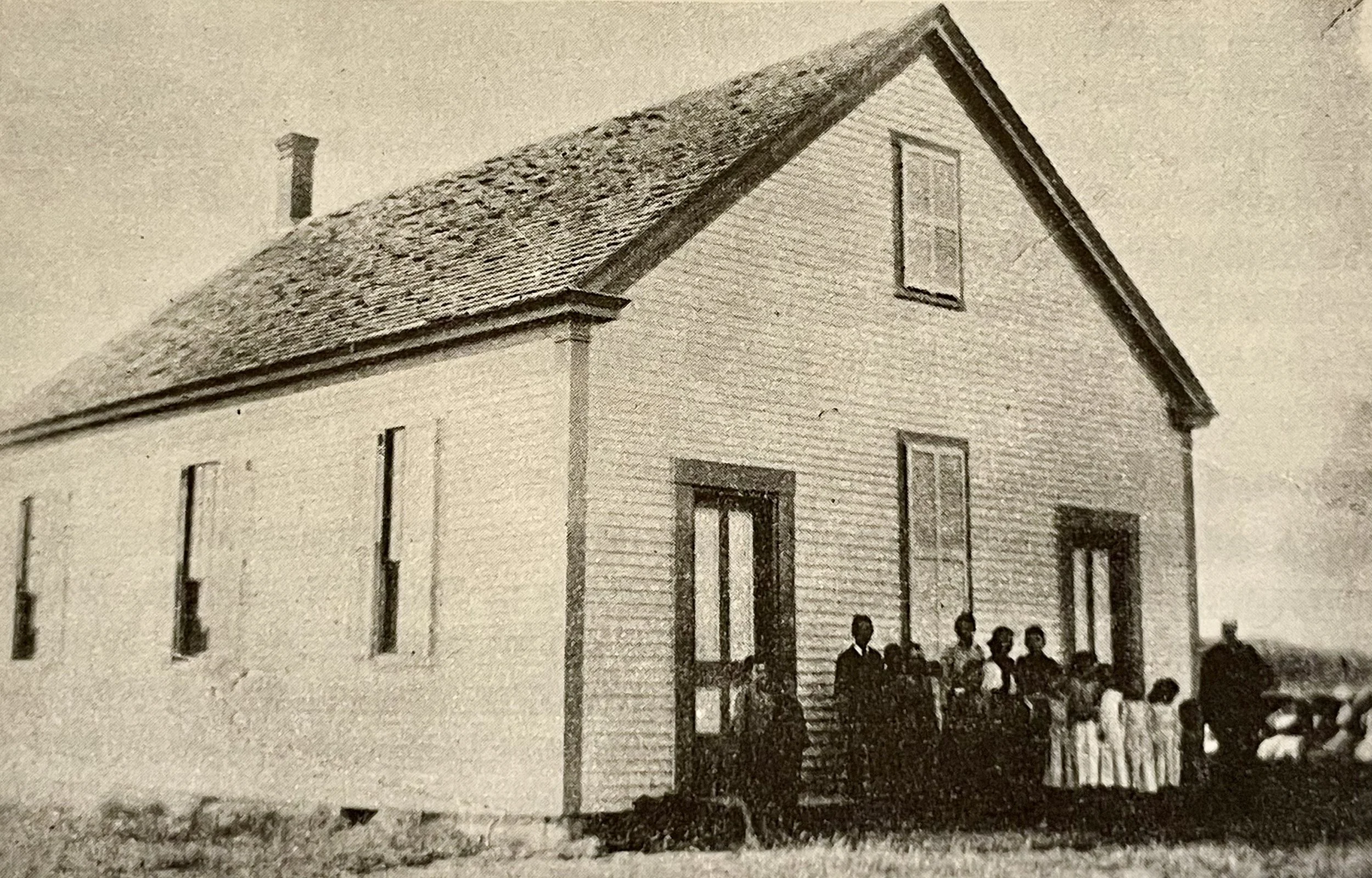
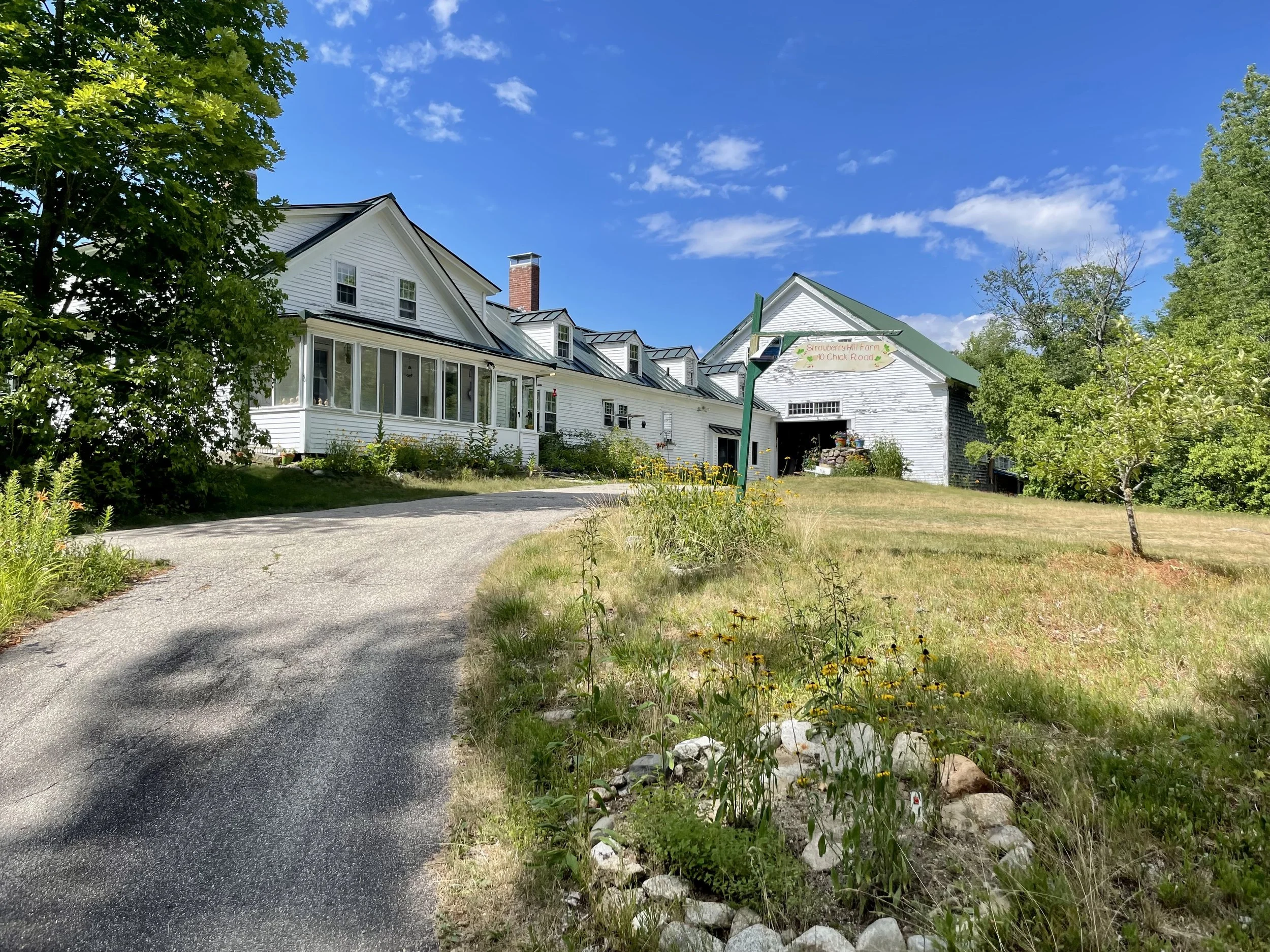
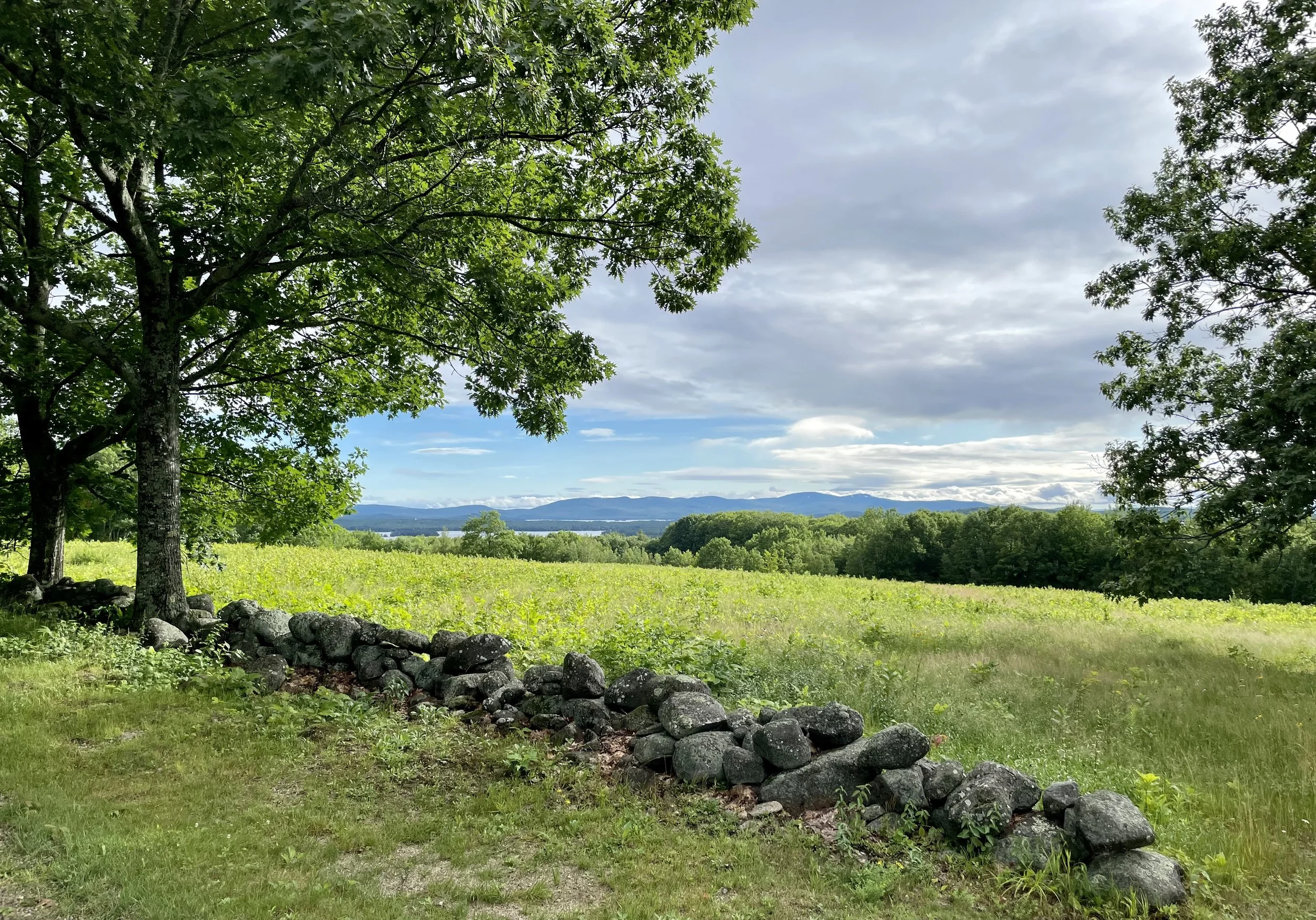
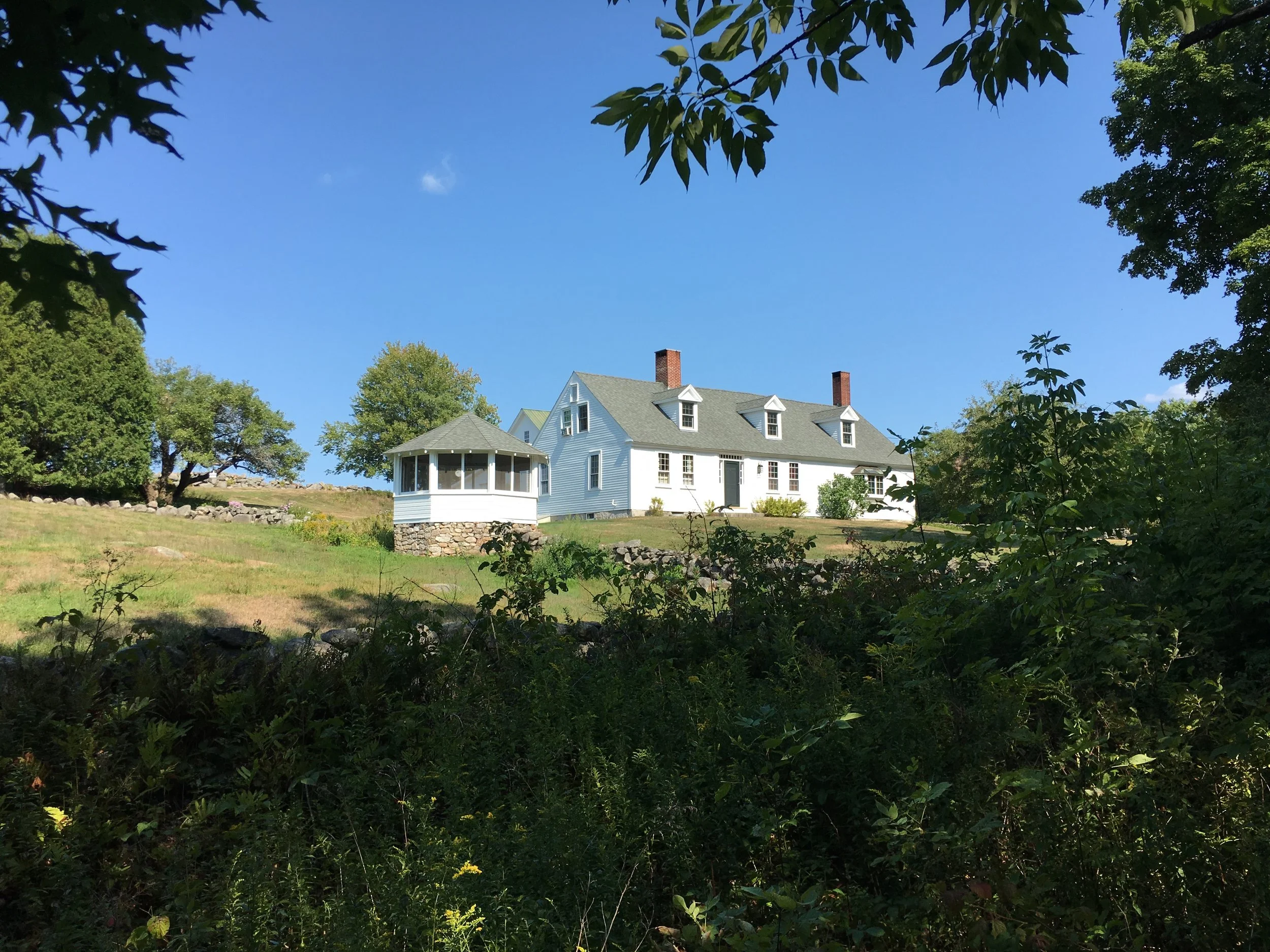
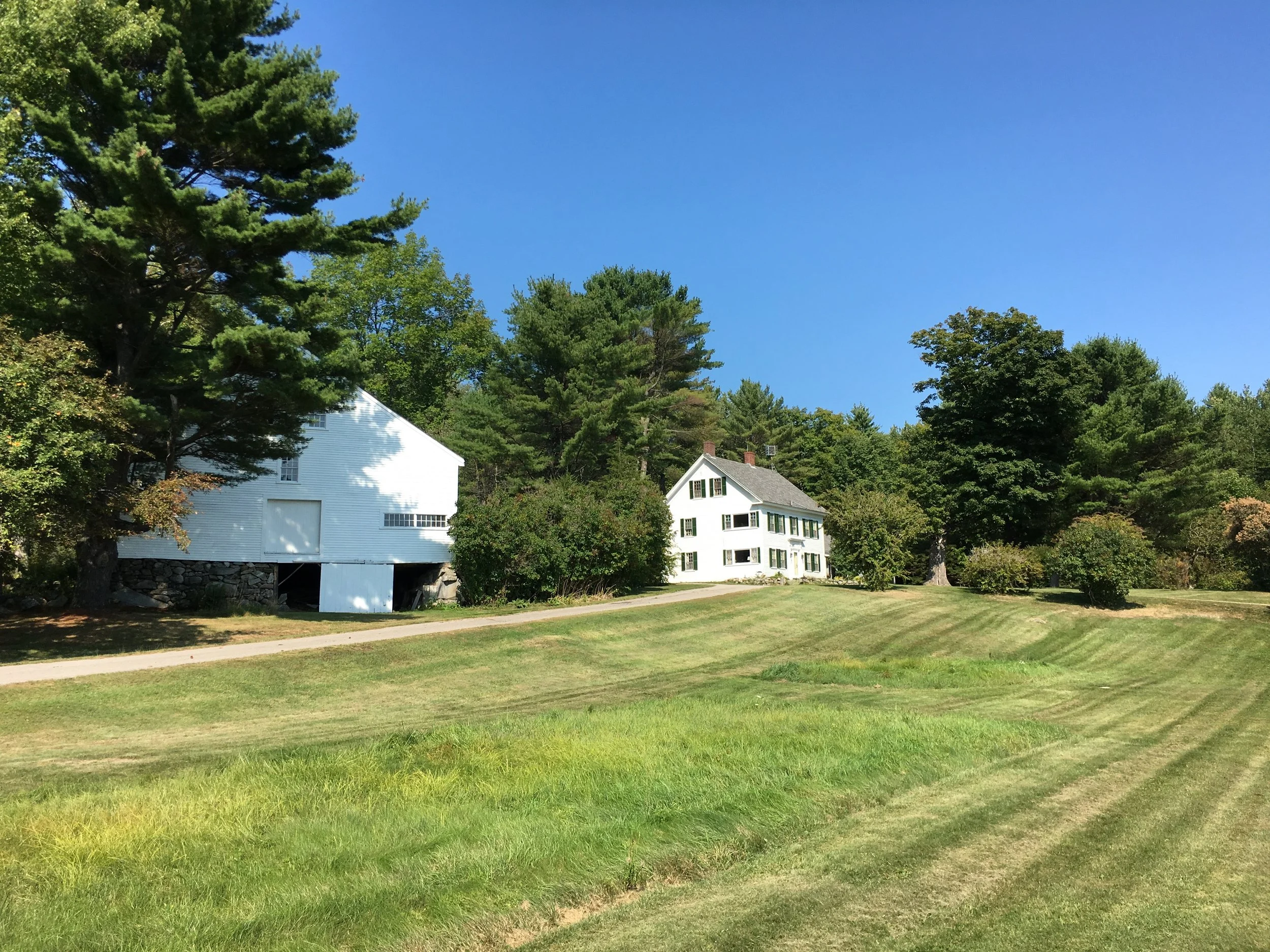
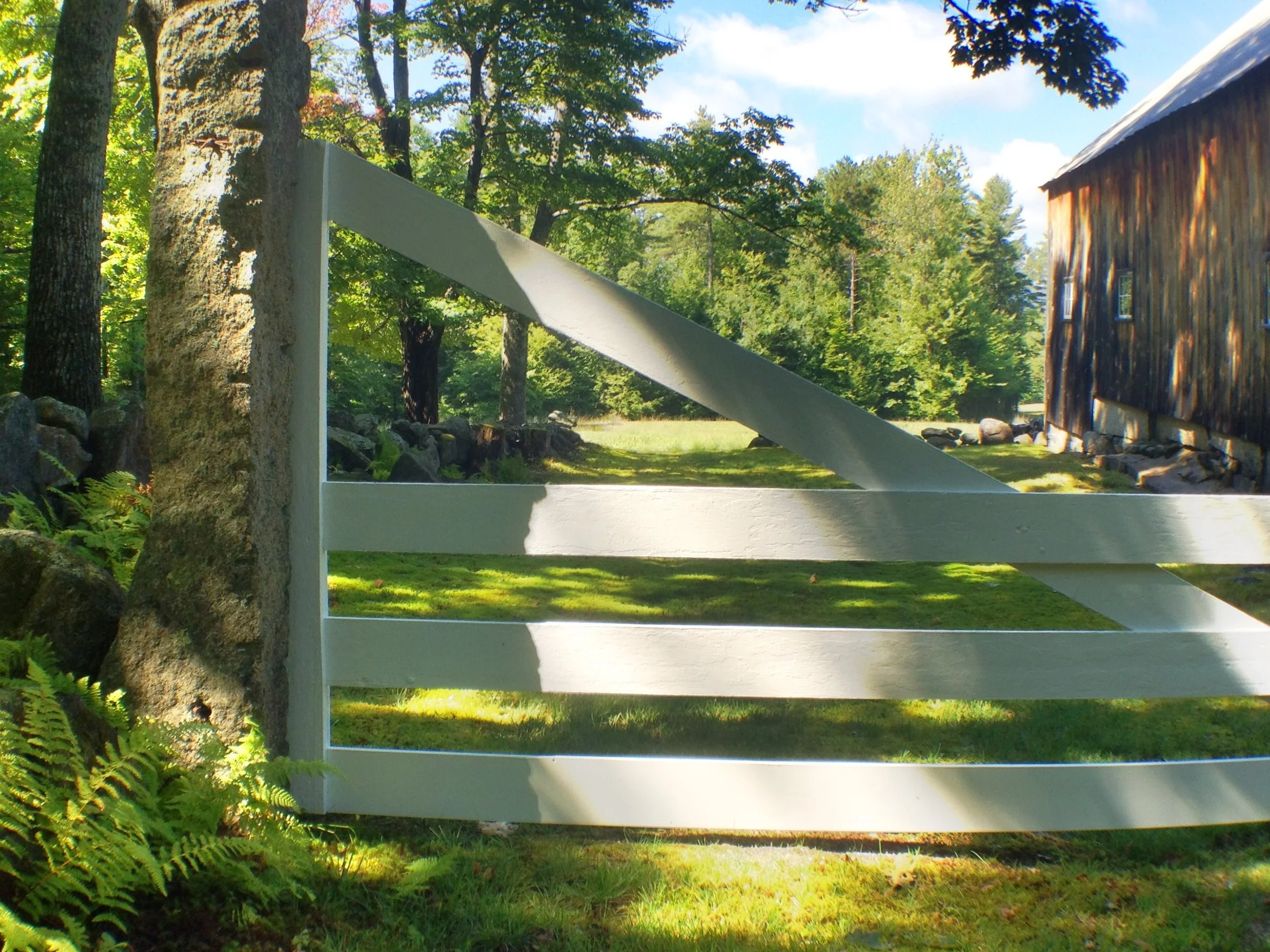
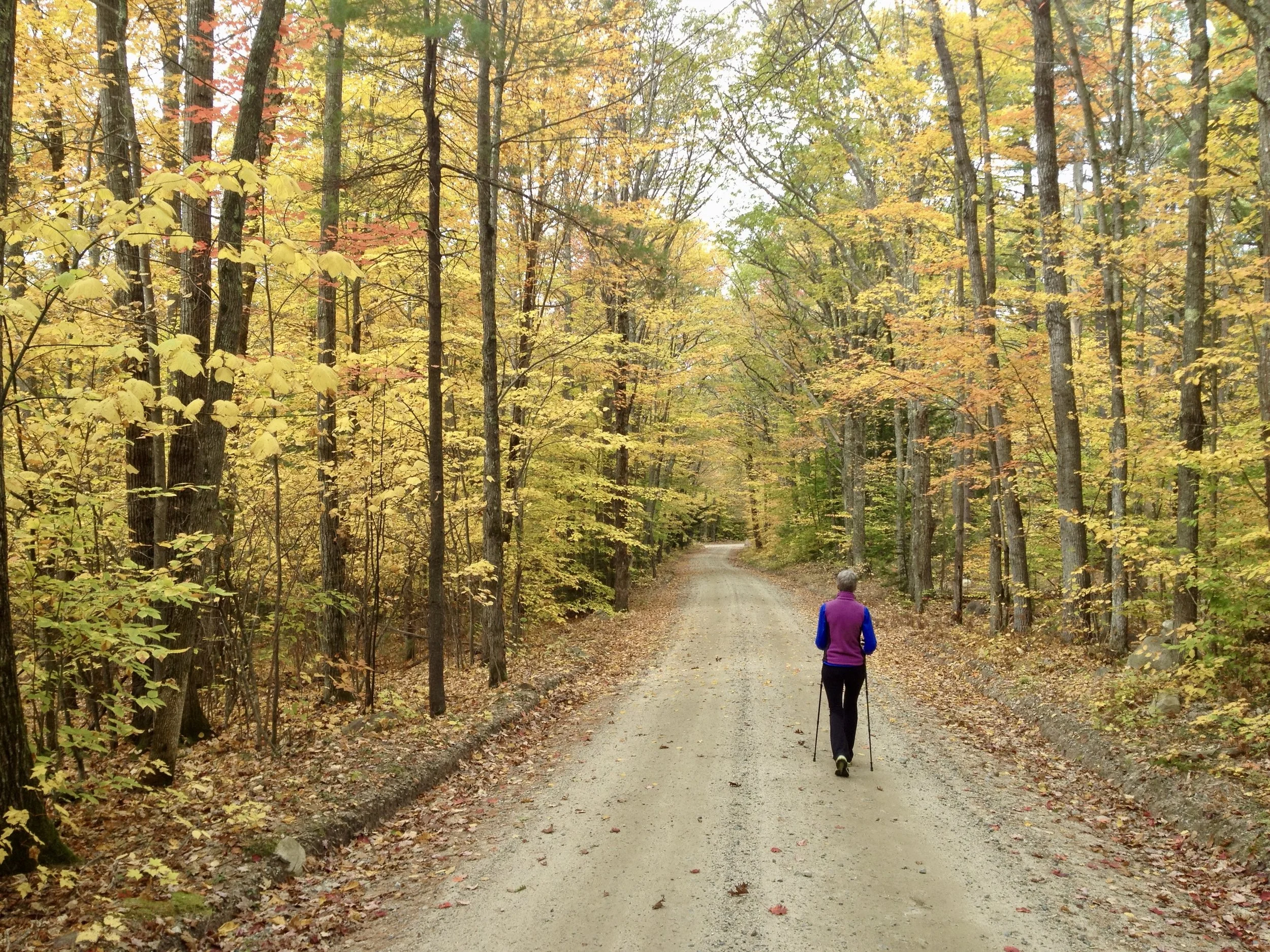
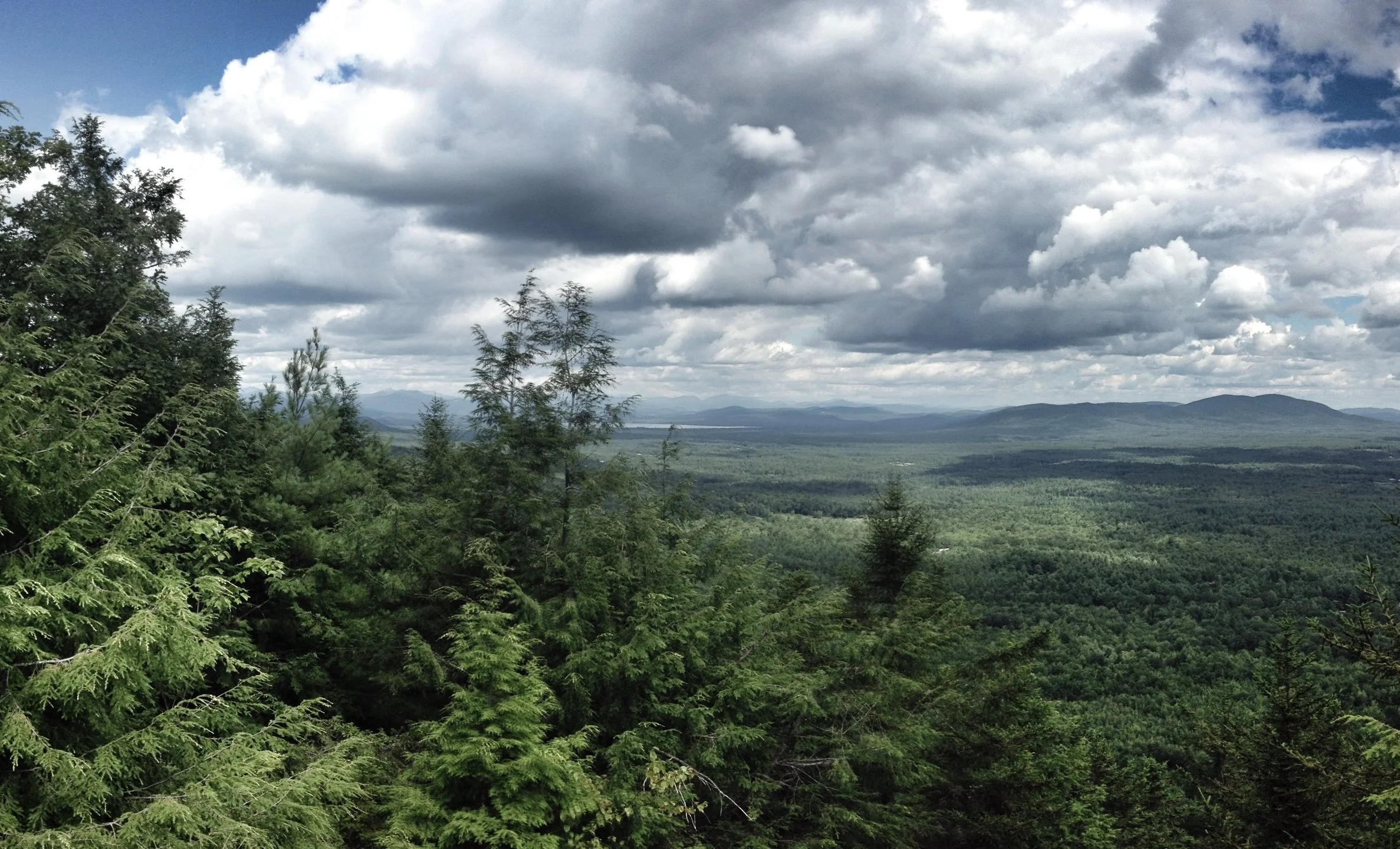
North Wolfeboro is one of Wolfeboro’s earliest and most intact settlement clusters, a rural crossroads community that grew up around Dimon’s Corner in the decades following the town’s first permanent settlement in the late 1760s. Like the town’s other outlying hamlets, it evolved as a largely self-sufficient community—at a crossroads between Wolfeboro and Ossipee—built around small farms, a store, a blacksmith shop, a school, a church, and its own post office. Area farmhouses reflect this incremental, working-landscape origin: early houses were small and built from onsite lumber, with rooms added as families grew — producing the rambling farmhouse form still standing today, alongside stone walls, barns, and outbuildings tied to subsistence farming.
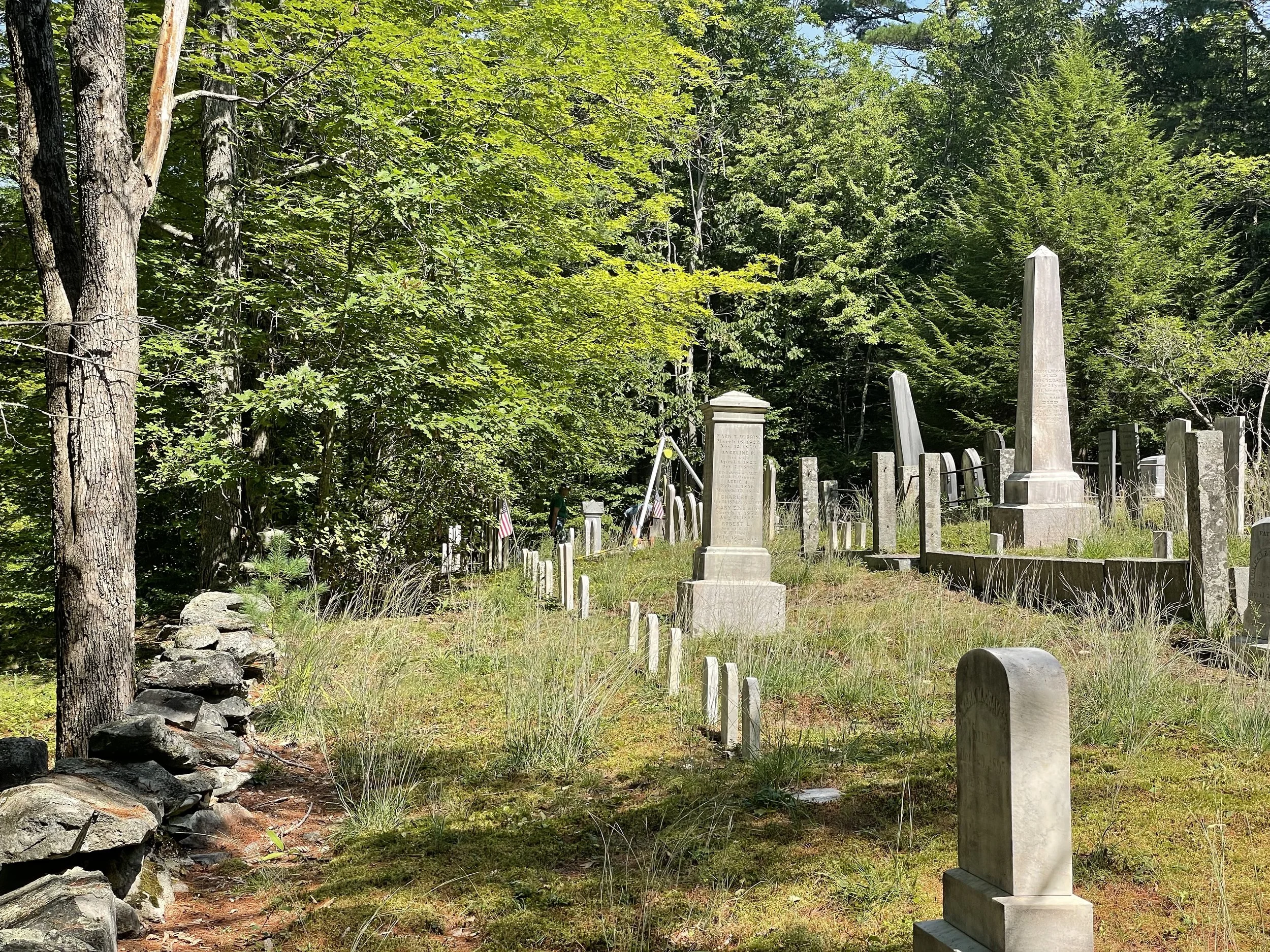
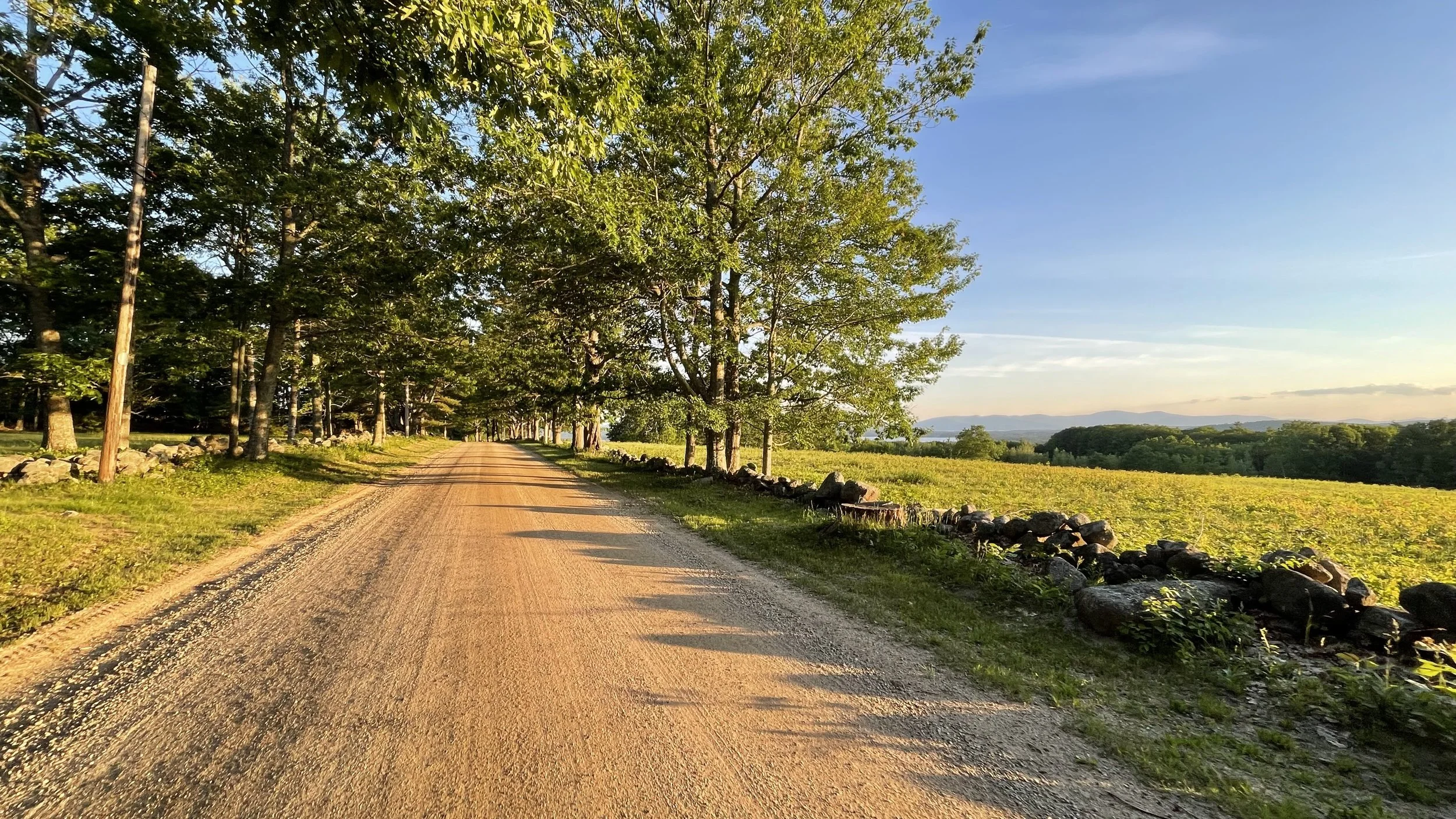
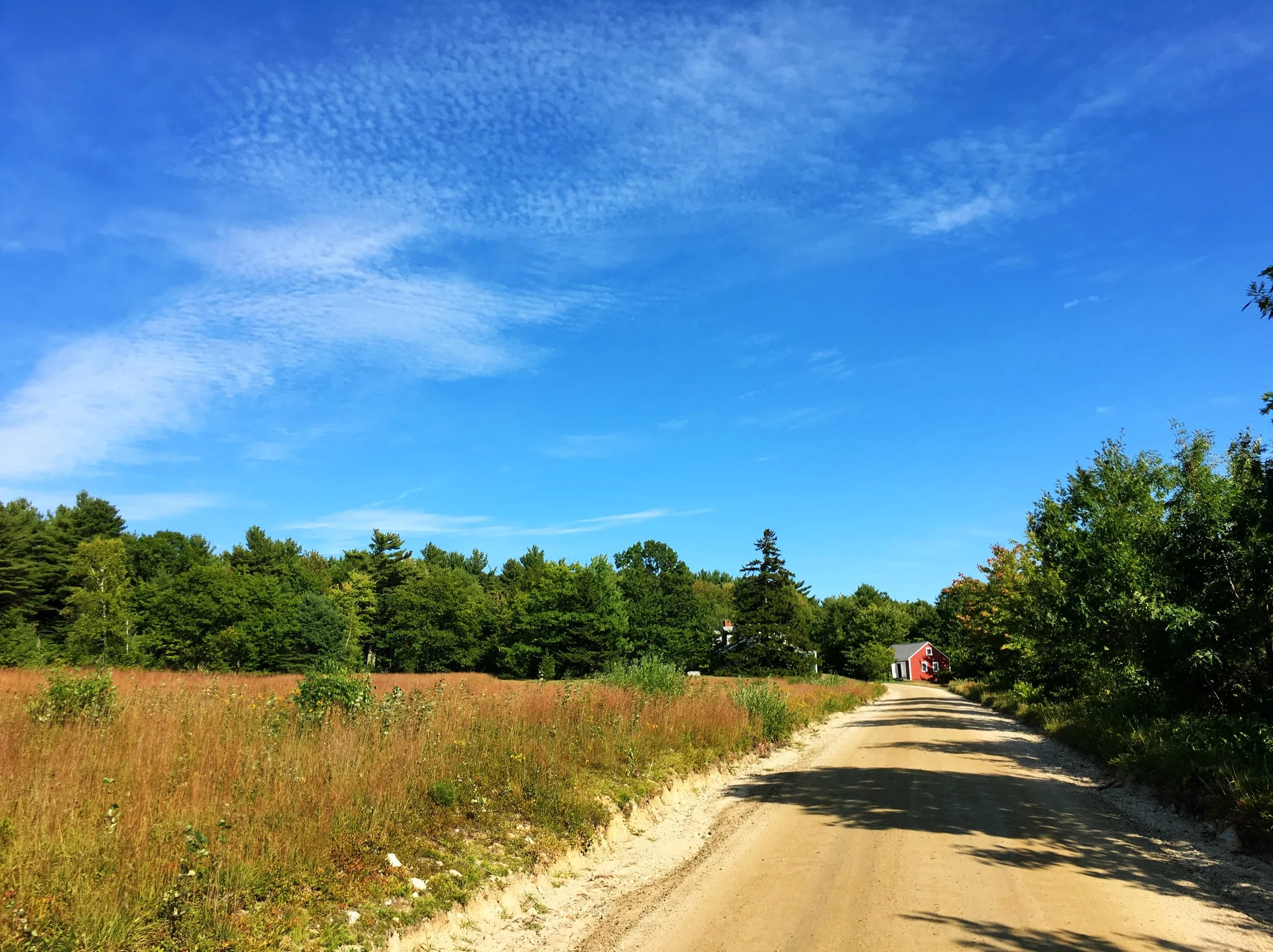
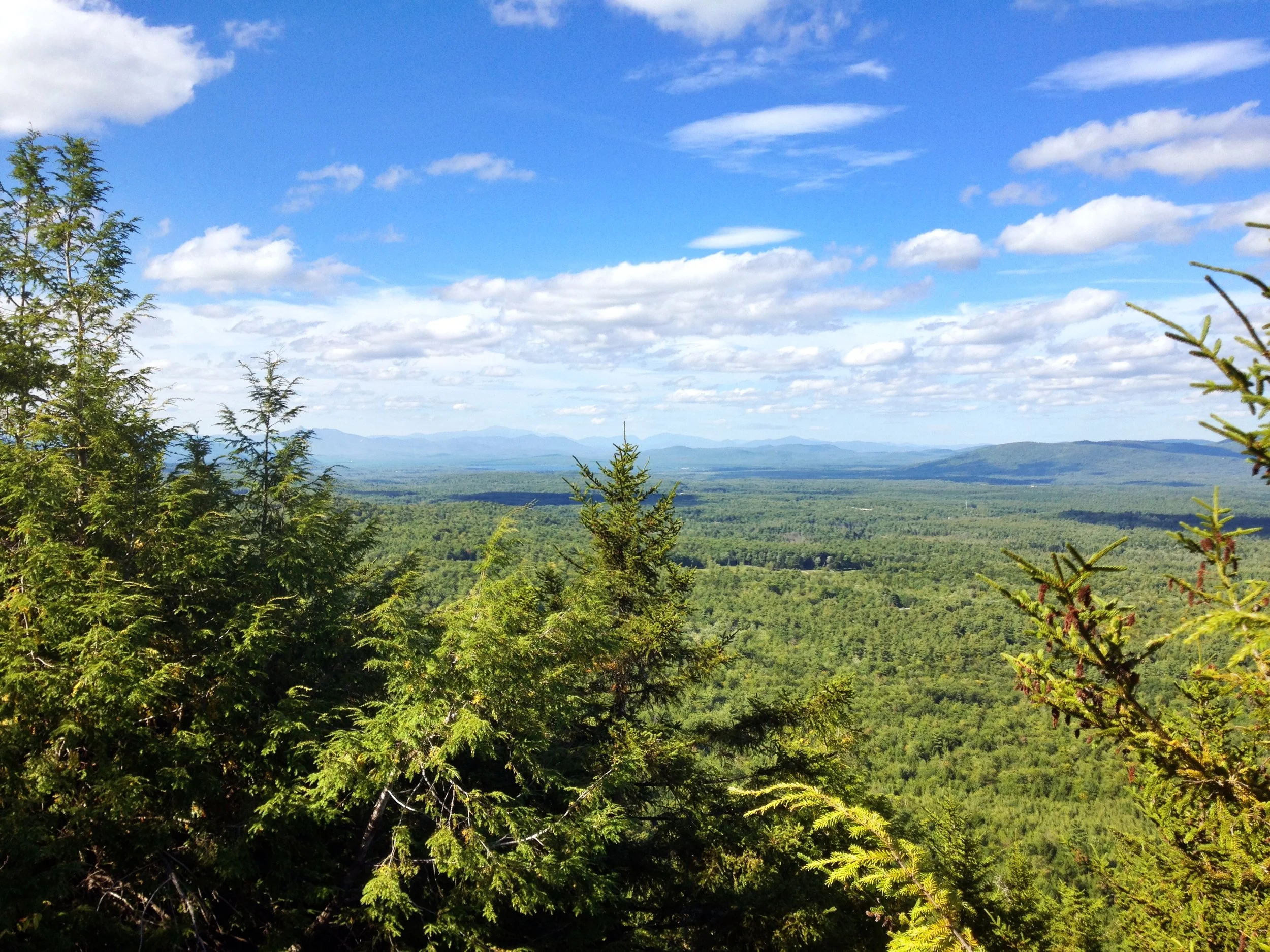
Through the 19th and into the 20th century, the North Wolfeboro area remained a landscape of dispersed farms, forest lots, and unpaved connector roads while the town center and lakeshore villages developed around commerce, rail, and tourism. Distance from the lake and being bypassed by major transit and commercial trade lines ultimately preserved North Wolfeboro's rural character, leaving behind an intact cultural and historic landscape.
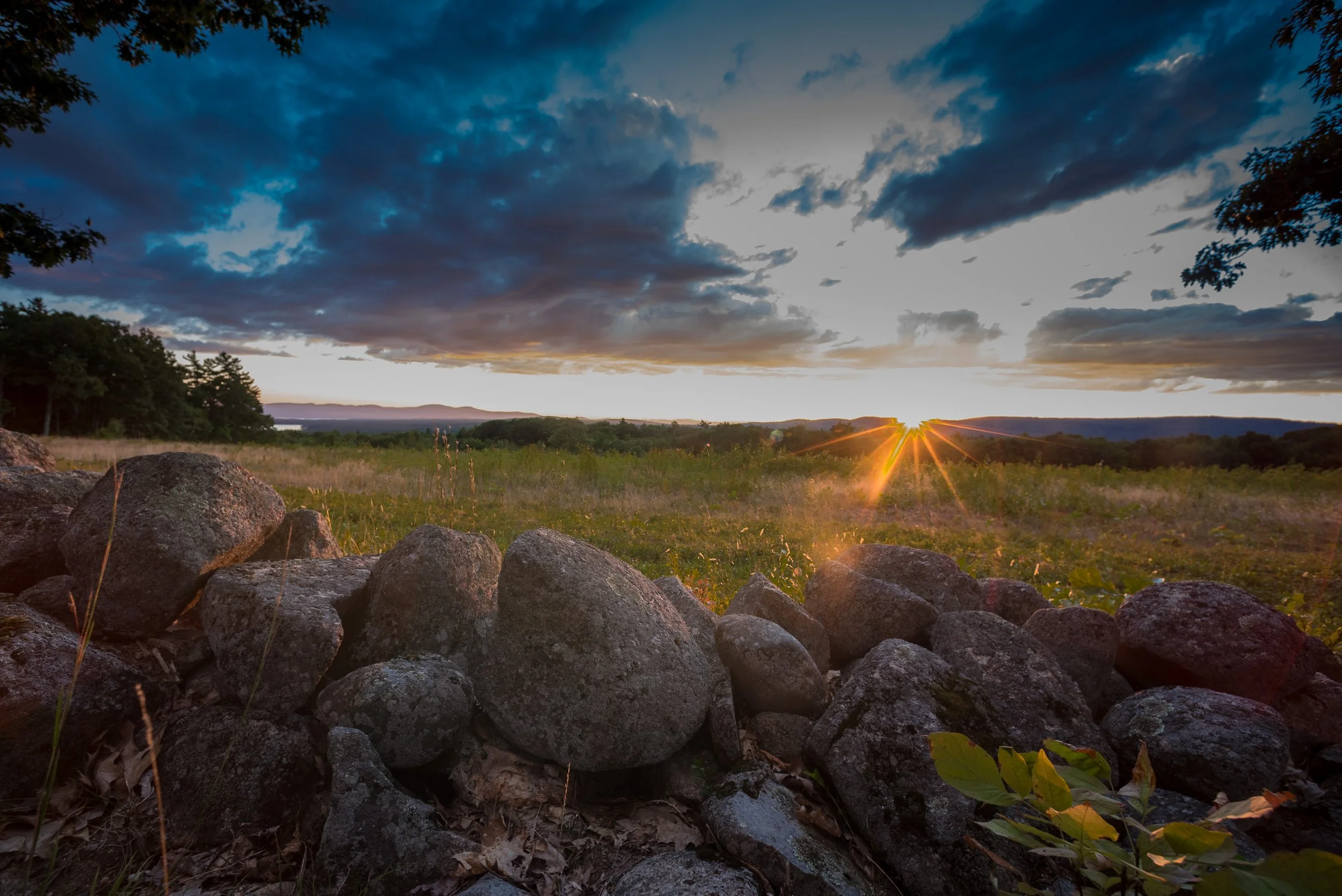
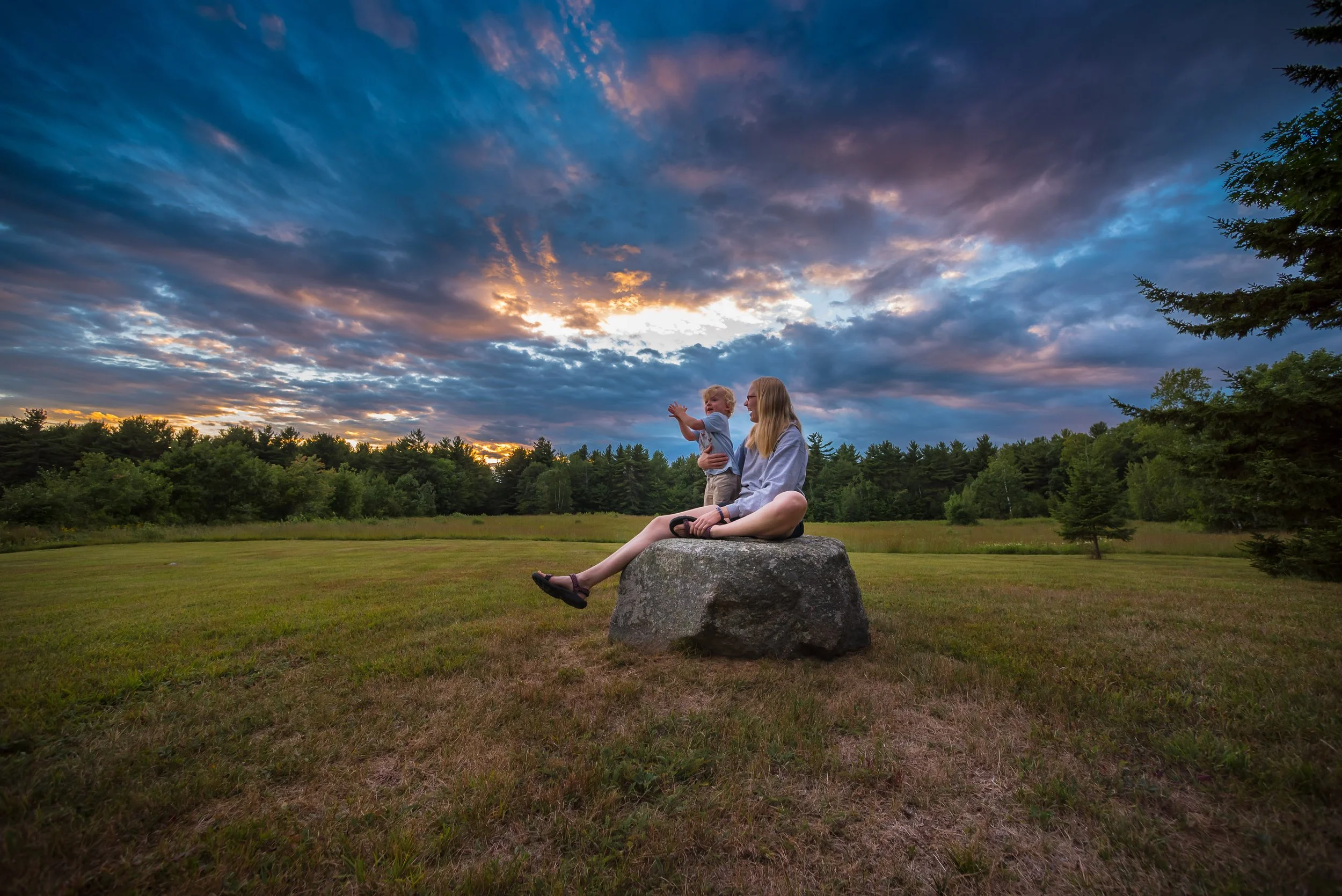
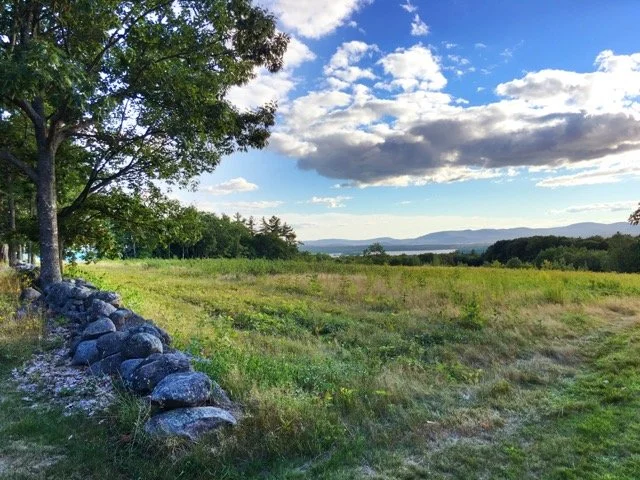
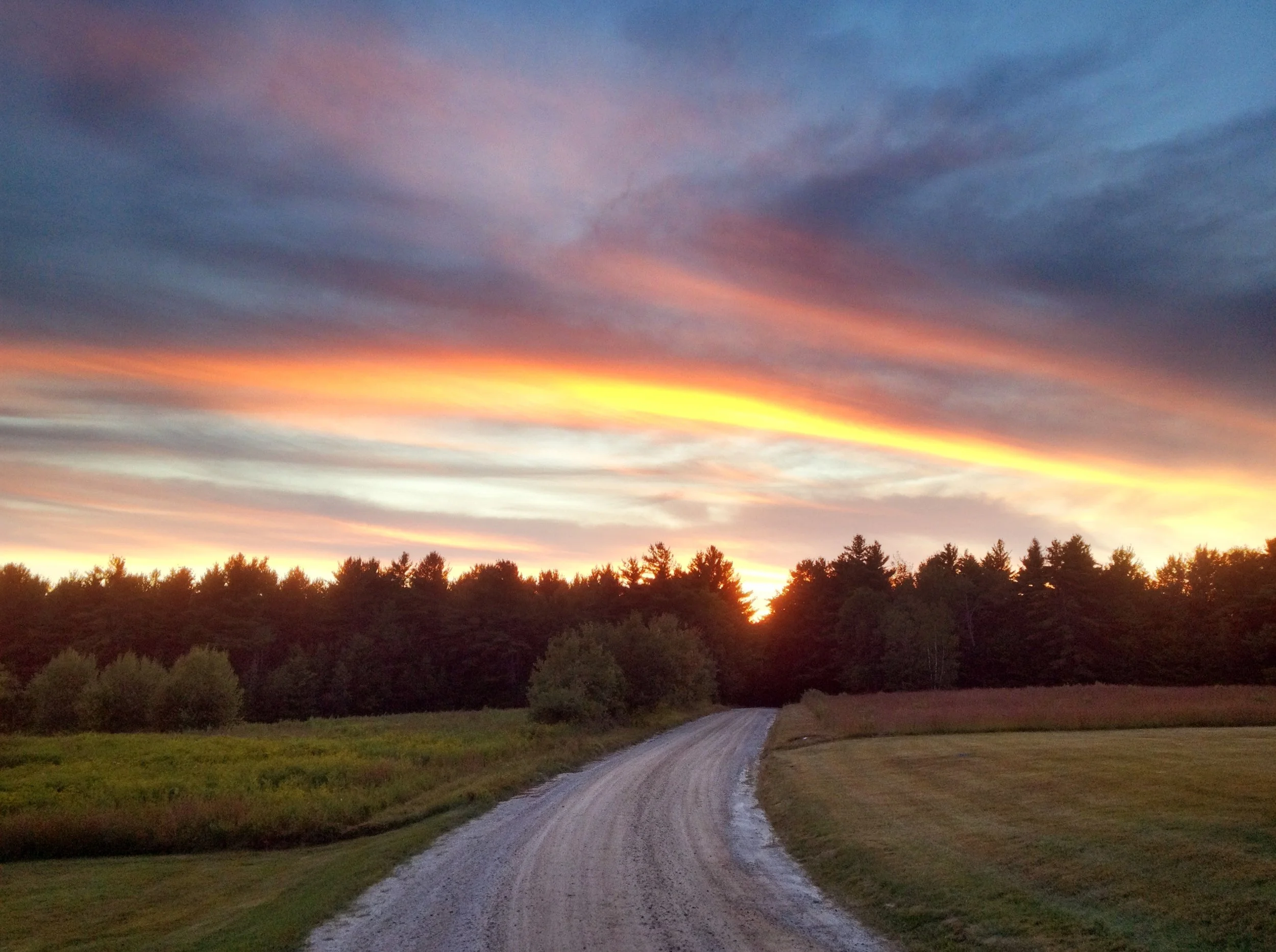
Here are some images of this special place.
The North Wolfeboro Area Landscape